Coping with an autism diagnosis at an older age can be challenging for several reasons:
-
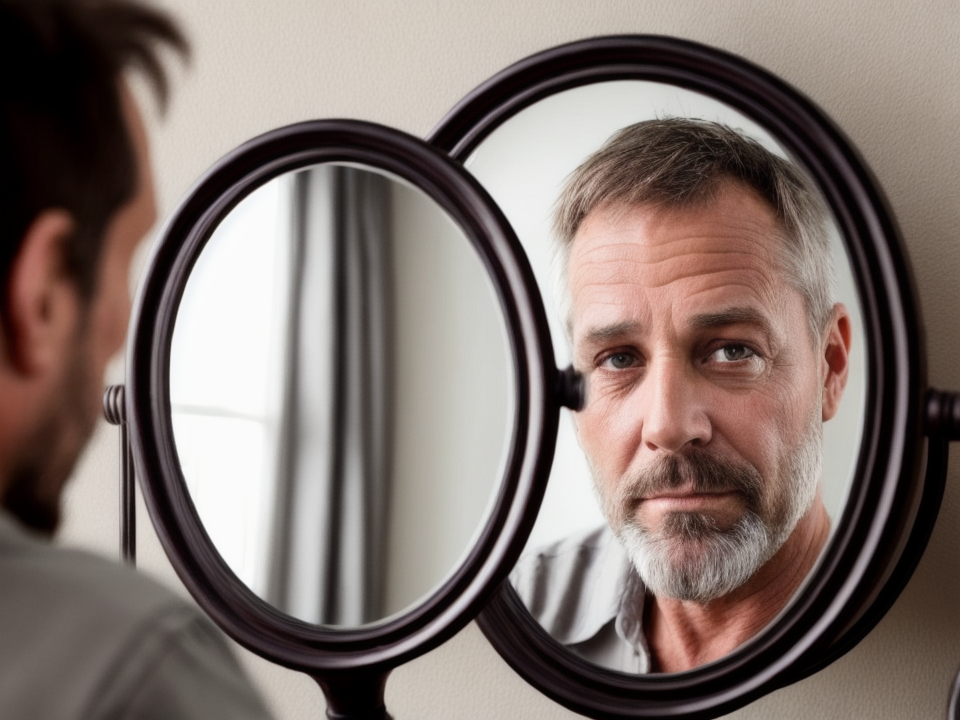
Personal Perspective: Receiving an autism diagnosis later in life can be a bewildering and sometimes distressing experience for many older individuals. They may need to reassess their self-image and reconsider their identity in light of the diagnosis. Some may experience a sense of relief as they finally understand why they’ve always felt different or faced certain challenges. However, others may struggle with feelings of denial, confusion, or even shame.
-
Perception by the Environment: How the environment perceives an older person with an autism diagnosis can vary greatly. Family members and friends may have mixed reactions, ranging from understanding and support to misunderstanding or disbelief. Some may accept the diagnosis and seek to support the individual in their development and well-being, while others may struggle to comprehend the diagnosis or acknowledge its severity. Employers and colleagues may also react differently depending on their understanding of autism and their willingness to make accommodations to support the individual in the workplace.
-
Self-Image and Identity: For some older individuals, the autism diagnosis can bring a sense of liberation, finally providing an explanation for their experiences and behaviors. However, others may grapple with feelings of uncertainty or loss of identity, especially if they have spent their entire lives trying to conform to social norms and expectations. It may require a process of self-acceptance and self-discovery to develop a new understanding of themselves in light of the diagnosis.
Overall, coping with an autism diagnosis at an older age is a complex and individual journey, often accompanied by emotional ups and downs. It’s important for older individuals to seek support from family, friends, therapists, or support groups to help them understand and accept the diagnosis and to support them in coping with the challenges it brings.
Het omgaan met een autismediagnose op latere leeftijd kan voor oudere personen uitdagend zijn, zowel op persoonlijk niveau als in de interactie met hun omgeving.
-
Persoonlijk perspectief: Voor veel oudere personen kan het ontvangen van een autismediagnose een verwarrende en soms verontrustende ervaring zijn. Ze moeten mogelijk hun zelfbeeld herzien en hun identiteit in het licht van de diagnose heroverwegen. Sommigen kunnen een gevoel van opluchting ervaren omdat ze eindelijk begrijpen waarom ze zich altijd anders hebben gevoeld of bepaalde uitdagingen hebben gehad. Anderen kunnen echter worstelen met gevoelens van ontkenning, verwarring of zelfs schaamte.
-
Perceptie van de omgeving: Hoe de omgeving een oudere persoon met een autismediagnose ziet, kan sterk variëren. Familieleden en vrienden kunnen gemengde reacties hebben, variërend van begrip en ondersteuning tot onbegrip of ongeloof. Sommigen kunnen de diagnose accepteren en proberen de persoon te ondersteunen in hun ontwikkeling en welzijn, terwijl anderen mogelijk moeite hebben om de diagnose te begrijpen of de ernst ervan te erkennen. Werkgevers en collega’s kunnen ook verschillend reageren, afhankelijk van hun begrip van autisme en hun bereidheid om aanpassingen te doen om de persoon te ondersteunen op de werkplek.
-
Zelfbeeld en identiteit: Voor sommige oudere personen kan de autismediagnose een gevoel van bevrijding brengen, waarbij ze eindelijk een verklaring hebben voor hun ervaringen en gedragingen. Anderen kunnen echter worstelen met gevoelens van onzekerheid of verlies van identiteit, vooral als ze hun hele leven hebben geprobeerd zich aan te passen aan sociale normen en verwachtingen. Het kan een proces van zelfacceptatie en zelfontdekking vereisen om een nieuw begrip van zichzelf te ontwikkelen in het licht van de diagnose.
Over het algemeen kan het omgaan met een autismediagnose op latere leeftijd een complexe en individuele reis zijn, die vaak gepaard gaat met emotionele ups en downs. Het is belangrijk voor oudere personen om steun te zoeken bij familie, vrienden, therapeuten of ondersteuningsgroepen om hen te helpen bij het begrijpen en accepteren van de diagnose en om hen te ondersteunen bij het omgaan met de uitdagingen die het met zich meebrengt.