"axSpA" stands for "axial spondyloarthritis.
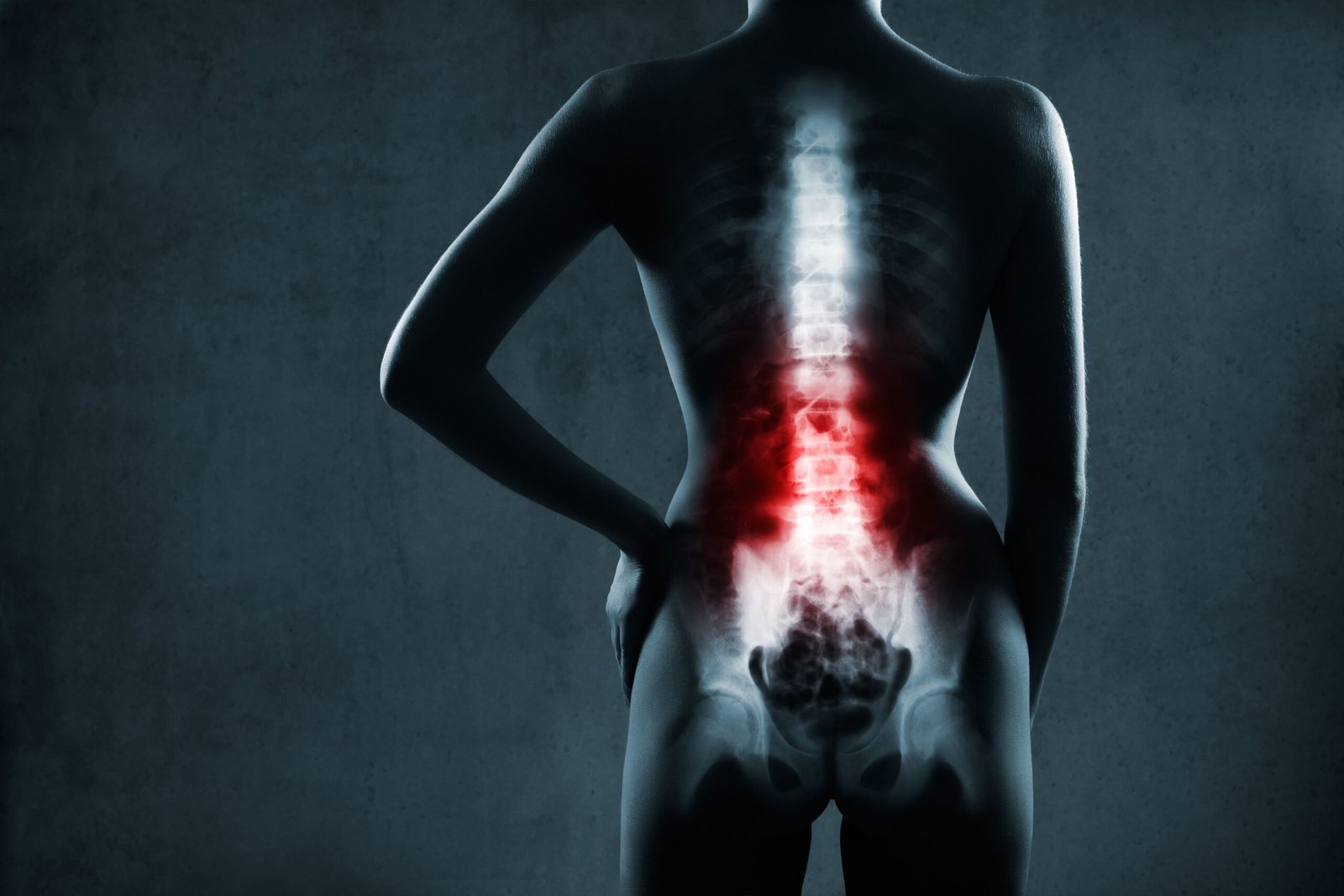
It's a term used to talk about diseases that cause inflammation in the spine. The "axial" part means it affects the central part of your body, like your spine. And "spondyloarthritis" means it's a type of arthritis that affects the spine and its joints.

So basically, axSpA includes conditions like ankylosing spondylitis (AS), where the spine gets stiff and painful, and also non-radiographic axial spondyloarthritis (nr-axSpA), where there's similar pain and stiffness but no visible damage on X-rays.

They use this term to group these conditions together and help doctors understand and treat them better. It's like a way to talk about all these spine-related arthritis problems in one go.

"axSpA" staat voor "axiale spondyloartritis.
Het is een nieuwe term die wordt gebruikt om te praten over ziekten die ontstekingen in de wervelkolom veroorzaken. Het "axiale" gedeelte betekent dat het de centrale deel van je lichaam, zoals je wervelkolom, beïnvloedt. En "spondyloartritis" betekent dat het een type artritis is dat de wervelkolom en de gewrichten beïnvloedt.

Dus in feite omvat axSpA aandoeningen zoals ankyloserende spondylitis (AS) (ook wel de ziekte van Bechterew genaamd), waarbij de wervelkolom stijf en pijnlijk wordt, en ook niet-radiografische axiale spondyloartritis (nr-axSpA), waarbij er vergelijkbare pijn en stijfheid is, maar geen zichtbare schade op röntgenfoto's te zien is.

Ze gebruiken deze term om deze aandoeningen samen te groeperen en artsen te helpen ze beter te begrijpen en te behandelen. Het is als een manier om al deze problemen met artritis die verband houden met de wervelkolom in één keer te bespreken.
Ankylosing spondylitis (AS) is a type of arthritis that mainly affects the spine. It can make your back really stiff and hurt a lot. Imagine feeling like your back is really tight and hard to move, especially in the morning or after sitting for a long time.
Apart from back pain, it can also make other joints, like your hips and shoulders, ache and feel stiff. Sometimes, it can even affect your eyes, causing redness and pain.
The pain from ankylosing spondylitis can be pretty bad. It can make it hard to do everyday things like bending over, lifting stuff, or even just sitting for a long time. And because it’s a chronic condition, meaning that one has to learn to live with it, it can affect your mood and make you feel tired and frustrated.
But that’s not all. Ankylosing spondylitis can also cause other health problems. For example, it can lead to problems with your posture because it can make your spine curve forward, giving you a hunched-over appearance. It can also affect your lungs and make it harder to breathe, although this is less common.
Overall, ankylosing spondylitis can really impact your quality of life. It can make it tough to do the things you enjoy, like playing sports or spending time with friends and family. But with the right treatment and support, many people can manage their symptoms and live fulfilling lives.

Ankyloserende spondylitis is een soort reuma die vooral je rug treft. Het kan heel pijnlijk zijn. Stel je voor dat je rug heel stijf is en veel pijn doet, vooral ‘s ochtends of na lang zitten.
Maar het stopt niet bij je rug; het kan ook andere delen van je lichaam pijnlijk en stijf maken, zoals je heupen en schouders. Soms kan het zelfs je ogen beïnvloeden en ze ontstoken en pijnlijk maken.
De pijn van ankyloserende spondylitis kan echt moeilijk zijn. Het kan alledaagse dingen erg lastig maken, zoals bukken, dingen optillen of lang zitten. En omdat het een chronische aandoening is die lang duurt, kan het je humeur beïnvloeden en je moe en gefrustreerd laten voelen.
Het kan ook andere gezondheidsproblemen veroorzaken, zoals ademhalingsproblemen door de longen te beïnvloeden. Dit gebeurt niet altijd, maar het kan voorkomen.
Ankyloserende spondylitis kan je leven behoorlijk beïnvloeden. Het kan het moeilijk maken om te werken, waardoor je misschien je baan verliest en financiële problemen krijgt. Het kan je ook belemmeren om dingen te doen die je leuk vindt, zoals sporten of tijd doorbrengen met vrienden en familie.
Maar met de juiste behandeling en steun van anderen, kunnen veel mensen hun symptomen onder controle houden en een relatief goed leven leiden.