First, lets see the definition:
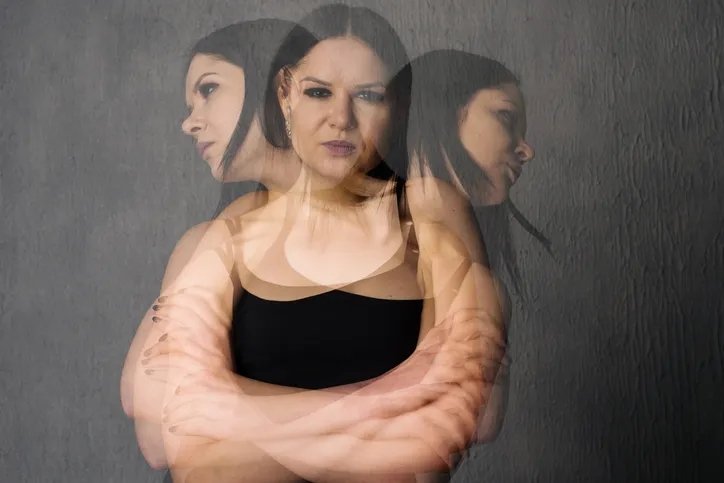
A personality disorder is a psychological condition in which someone behaves differently than society expects of that person. Someone with this disorder often suffers from rigid and negative traits, strong emotions and problems with maintaining social contacts. Someone often gets stuck in daily life.
Let’s start with the short answer: NO
Laten we eerst de definitie bekijken:
Een persoonlijkheidsstoornis is een psychische aandoening waarbij iemand zich anders gedraagt dan de maatschappij van die persoon verwacht. Iemand met deze stoornis heeft vaak last van starre en negatieve trekken, heftige emoties en problemen met het onderhouden van sociale contacten. Vaak loopt iemand vast in het dagelijks leven.
Laat ons starten met het korte antwoord: NEEN
Autism is a neurological disorder. One was born with it, it’s wired into their brain.
Personality disorders, on the other hand, are a result of trauma during early childhood.
So it’s possible to have both.
Personality disorders don’t always result from abuse or neglect. In some cases it may be due to a parenting style or environment that doesn’t suit the child. Growing up is more challenging for a child with autism than it is for one without it, plus the child may be bullied or treated badly because they’re seen as “different”. So, people with autism, particularly those who are undiagnosed, may be more susceptible to developing mental illness, including personality disorder.
Socialising is draining to autistics, this is where the differences come in. A result of that is they communicate with people very differently. Neurotypicals often use indirect language and more subtle cues, i.e. the tone of their voice, their body language, etc. whereas autistics tend to use more direct communication. Autistics can learn neurotypical social skills to an extent and can also copy them to an extent, but it will never be instinctual. It’s an intellectual exercise for an autistic person to try and unravel neurotypical cues.
So, for every neurotypical person an autistic person talks to, this is the amount of mental work they have to do:
A: figure out what the person’s body language means
B: figure out what the person’s tone of voice means
C: figure out the meaning of any figurative language used, i.e. idioms, sarcasm, etc.
D: try to read the person’s emotions.
Imagine if you had all that to do for every neurotypical you spoke to and you were in a group of eight people, let’s say. It’s a bit like if you overload your computer with too many files – at some point the computer’s going to crash. Well, at some point an autistic person’s going to be burnt out from all the intellectual effort.
Autisme is een neurologische stoornis. Men wordt ermee geboren, het zit verankerd in hun brein.
Persoonlijkheidsstoornissen daarentegen zijn het resultaat van trauma tijdens de vroege kindertijd.
Het is dus wel mogelijk om beide te hebben.
Persoonlijkheidsstoornissen komen niet altijd voort uit misbruik of verwaarlozing. In sommige gevallen kan het te wijten zijn aan een opvoedingsstijl of omgeving die niet past bij het kind. Opgroeien is uitdagender voor een kind met autisme dan voor een zonder, bovendien kan het kind gepest worden of slecht behandeld worden omdat ze als “anders” worden gezien. Dus mensen met autisme, vooral degenen die niet gediagnosticeerd zijn, kunnen vatbaarder zijn voor het ontwikkelen van geestesziekten, waaronder persoonlijkheidsstoornissen.
Sociaal contact is uitputtend voor autisten, hier komen de verschillen naar voren. Een gevolg daarvan is dat ze heel anders communiceren met mensen. Neurotypische personen gebruiken vaak indirecte taal en meer subtiele signalen, zoals de toon van hun stem, hun lichaamstaal, etc., terwijl autisten doorgaans directere communicatie gebruiken. Autisten kunnen neurotypische sociale vaardigheden tot op zekere hoogte leren en ook tot op zekere hoogte imiteren, maar het zal nooit instinctief zijn. Het is een intellectuele oefening voor een autistisch persoon om neurotypische signalen te proberen te ontcijferen.
Dus, voor elke neurotypische persoon waarmee een autist praat, is dit de hoeveelheid mentaal werk die ze moeten verrichten:
A: uitvinden wat de lichaamstaal van de persoon betekent
B: uitvinden wat de toon van de stem van de persoon betekent
C: uitvinden wat de betekenis is van eventueel gebruikte figuurlijke taal, zoals spreekwoorden, sarcasme, etc.
D: proberen de emoties van de persoon te lezen.
Stel je voor dat je dat allemaal zou moeten doen voor elke neurotypische persoon waarmee je praat, en je bent in een groep van acht personen, laten we zeggen. Het is een beetje alsof je je computer overbelast met te veel bestanden – op een gegeven moment zal de computer vastlopen. Nou, op een gegeven moment zal een autistisch persoon uitgeput raken door al die intellectuele inspanning.


[…] And no, autism is NOT a personality disorder,although someone with autism can have a personality disorder.You can read more about this HERE […]